
Oedipus and the Inheritance of Childhood Wishes
The Interpretation of DreamsThis thread follows Freud's movement from family memories to a broad claim about childhood attachment and tragic literature.
increasing Bearing strength in each event
 decreasing
Bearing strength in each eventdecreasingA Personal Discovery

A Personal Discovery
Love and jealousy recalled
Freud tells Wilhelm Fliess that he has found in himself love for his mother and jealousy of his father. He proposes that such feelings are not merely personal.
A universal hypothesis
A private self-analysis becomes the beginning of a claim about childhood development.
The Child’s Rivalries
The Child’s Rivalries
Siblings as competitors
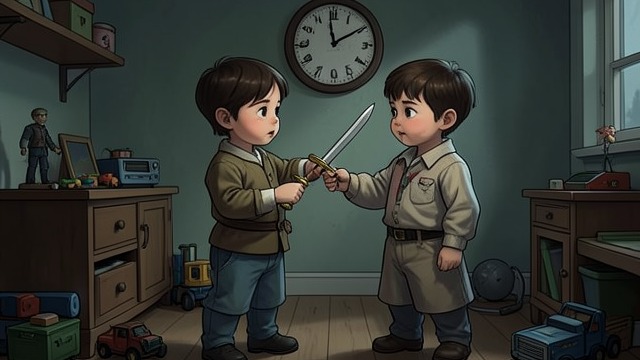
Freud describes children as self-centered and capable of hostility toward brothers and sisters who displace them. Affection does not exclude resentment.
Death as absence
For a child, death can mean simply that someone has gone away, making a death-wish less like an adult's understanding of murder.
Parents as First Attachments
Parents as First Attachments
Desire and rivalry
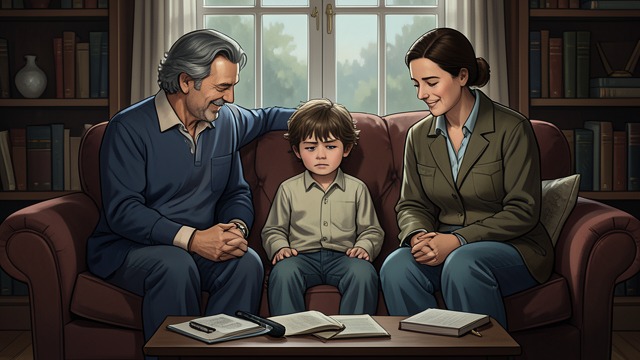
Freud argues that children may direct early affection toward one parent and hostility toward the other. These wishes can persist beneath adult awareness.
A contested generalization
The claim extends beyond individual dreams into a controversial model of family life.
Sophocles’ Tragic Pattern

Sophocles’ Tragic Pattern
The oracle fulfilled
The play follows Oedipus from abandoned infancy to the killing of Laius and marriage to Jocasta, with discovery and catastrophe delayed.
Recognition through horror
Freud argues that the tragedy moves audiences because it gives dramatic form to wishes they have repressed.
From Myth to Self-Knowledge

From Myth to Self-Knowledge
The audience implicated
The story becomes more than an account of fate: Freud reads it as a mirror of childhood wishes and later repression.
A lasting question
The theory links dreams, neurosis, and literature while leaving its universality open to criticism.
October 1897
In the discussion of childhood dreams
Near the end of Chapter V
In Freud's reading of the Oedipus tragedy
At the close of the Oedipus discussion
